Chemical of the Month - Acrylonitrile
Acrylonitrile is a monomer used in the production of ABS plastics, acrylic fibers, and nitrile rubber. As a result, it is a common material in everyday products—found in automotive parts, toys (such as LEGOS), and appliance casings. In its rubber form, it is used to manufacture chemical-resistant gloves, seals, and hoses.
Read More
CASE STUDY: LEVERAGING THE HAZMATAPP TO STREAMLINE HIGH-PILED STORAGE CODE COMPLIANCE FOR AN INDUSTRIAL MANUFACTURING FACILITY
To efficiently analyze the hazardous materials present and verify code compliance, the FPEs utilized TheHazMatApp, a web-based hazardous materials inventory and compliance tool, during their assessment.
Read More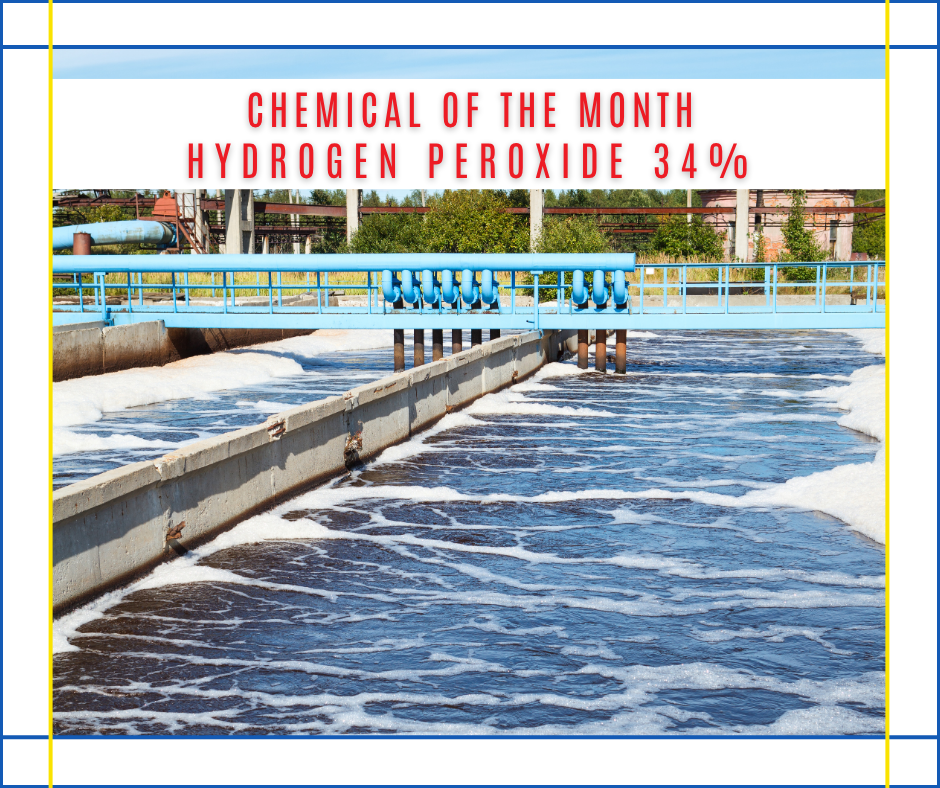
Chemical of the Month - Hydrogen peroxide 34%
Hydrogen peroxide 34% is a highly concentrated, industrial-strength oxidizer used for commercial cleaning/bleaching and water treatment.
Read More
AUGUST CHEMICAL OF THE MONTH – Potassium Permanganate
Potassium Permanganate is an odorless and dark purple solid. It is used in solutions as a disinfectant, deodorizer, and in water purification. In its pure form it is classified an Oxidizer Class 2 and Corrosive. Since there are multiple hazard classifications, the most stringent will apply when determining the maximum allowable quantity (MAQ).
Read More
JUNE CHEMICAL OF THE MONTH – Sodium dodecylbenzenesulfonate
JUNE CHEMICAL OF THE MONTH: Sodium dodecylbenzenesulfonate is commonly used in bath products, cleaning products, shampoos, and hair conditioners.
Read More
Hazmat Response and the Fire Codes
The National Fire Protection Association 704, Standard System for the Identification of the Hazards of Materials for Emergency Response, marking system only indicates the hazards present; not the specific material stored or handled at the location. This article offers an overview of the International Fire Code and NFPA 704 requirements for storage and use of hazardous materials (hazmat).
Read More
Evaluation of Chemical Hazards and Associated Hazard Classifications: What Do the Model Codes Say
Evaluation of chemical hazards and associated hazard classifications can be a complicated and arduous process, with major building and fire code implications. The evaluation of hazards determines allowable quantity and the resulting occupancy classifications.
Read More
Hazardous Materials Inventory Statement
Your project may require a Hazardous Materials Inventory Statement (HMIS) in order to be approved by the fire department for occupancy.
Read More
